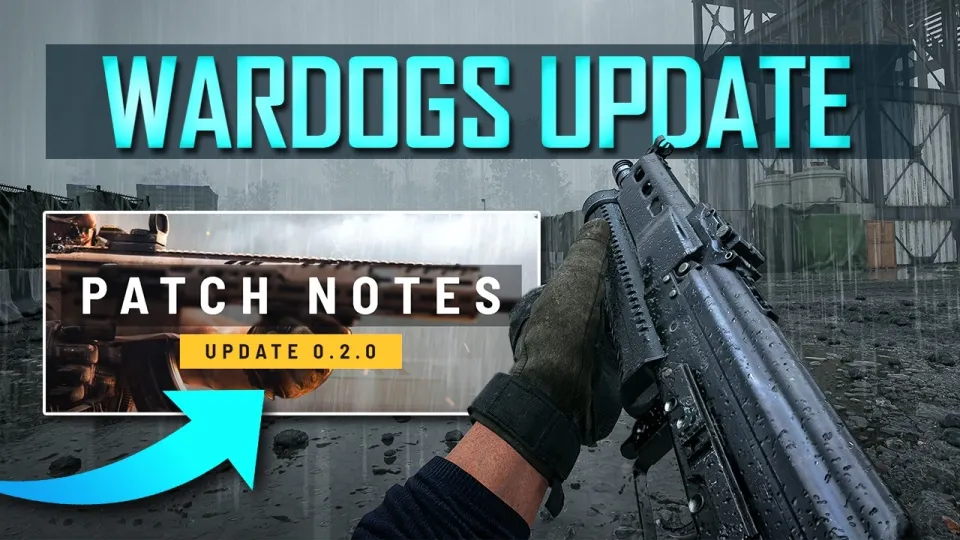
Wardogs Season 2 Update Explained
Need articles like this for your video? They help promote it on YouTube and Google — order them in the Telegram bot @sat_sit_bot. It writes articles around your video, embeds the video and publishes them on popular niche websites (no ads). Try it free: 50 articles on us.
Key takeaways
- Logistics pallets now pay $1,250 base plus a $2,500 bonus at a 10-streak, with streak values calculated outside the combat zone.
- The .50 cal damage was reduced by 16%, enough for tier 2 armor to survive a shot from the end-game sniper rifle.
- The minigun Little Bird costs around $14,000 fully loaded with three flares after the price increase.
- The SKS bipod price moved from $800 to $810, one of the smallest changes in the patch.
- A new anti-air vehicle, the Gepard, joins the roster and adds pressure on helicopter pilots.
The Wardogs Season 2 update is a broad economy and balance patch: logistics deliveries pay more per pallet but demand more trips, helicopters and vehicles cost more to field and lose money faster, sniper damage drops, and several optics and attachments move to later unlock tiers. The full patch notes are published on Steam, and the practical effect is that infantry play becomes the most reliable way to earn money while support roles need to be re-learned.
If you want to see the changes discussed live, the GhostGaming Twitch channel streams Wardogs matches and patch breakdowns.
What the Wardogs Season 2 update changes at a glance
The headline of the patch is a rebalance of how money enters a match, not a new map or a new game mode. Three systems move at once: logistics payouts, vehicle and aircraft pricing, and weapon damage and unlocks.
- Logistics drop-offs now scale with delivery streaks instead of paying a flat rate per pallet.
- Aircraft, including the minigun Little Bird, become more expensive to buy and to keep flying.
- The .50 cal damage profile is reduced by 16%, which shifts the sniper and armor matchup.
- Several low-zoom, minimalist optics are pushed to higher unlock levels.
- A new anti-air platform, the Gepard, enters the vehicle pool alongside existing AA options.
- A squad intent list is added, giving squads a way to declare what they plan to do on the map.
The patch notes were revised after release: the streak numbers first shown for supply drop-offs were calculated outside the combat zone, and the corrected values appear in the official Steam notes.
Logistics payouts and the streak system in detail
Logistics now rewards consistency: a pallet delivered at a 10-streak pays $1,250 base plus a $2,500 bonus, and the streak multiplier is what makes repeated runs worth the drive. The catch is volume. A single short trip with a URAL no longer matches the income of a player who spends the same time in combat, so the role only pays if you commit to a long chain of deliveries.
This creates a real trade-off for anyone who used to spawn a truck reactively when a FOB's ammo ran low. Under the old system, one well-timed run could rescue a base; now the math favors players who plan routes in advance and keep the streak alive. Builders feel the same squeeze, because fortification work depends on supply that arrives less often per hour of driving.
The practical advice for logistics mains is to stack deliveries back to back, avoid detours, and treat the streak as the actual objective rather than the individual pallet.
Vehicle, helicopter and anti-air economy
The minigun Little Bird is the clearest example of the new aircraft math: around $14,000 fully loaded with three flares, and every mistake costs thousands with no guaranteed way to recoup it. Pilots who relied on kill streaks to fund the next sortie now need to fly more conservatively, conserve flares and pick targets that justify the risk.
Ground vehicles follow the same direction. Higher purchase prices and reduced earning potential make the URAL and similar trucks a harder sell for casual drivers, while the arrival of the Gepard and existing Browning turrets give ground players more tools against aircraft. Helicopter crews should expect a tougher early season before anti-air saturation settles in.
Weapon damage, sniper zones and optics unlocks
The .50 cal nerf is the most consequential weapon change: a 16% damage reduction means tier 2 armor can survive a hit from the end-game sniper rifle. Sniper hit zones are defined around the head and neck area, so body shots that previously ended a fight now leave armored opponents standing.
Optics are the second friction point. Minimalist low-zoom sights, including simple uncluttered red dots, are locked behind later progression levels, which pushes new players toward busier default sights. Attachment pricing barely moved by comparison: the SKS bipod went from $800 to $810, a change that reads as a rounding adjustment next to the rest of the patch.
Variable zoom scopes remain awkward to use for many players because of keybind handling, and the patch does not address that complaint.
Common player concerns about Season 2
The most repeated worry is that logistics and FOB building become unattractive roles. If deliveries pay less per hour than fighting, fewer players will drive, and bases will run dry more often, which in turn makes defensive positions harder to hold. That is a chain reaction the patch does not directly solve.
A second concern is progression speed. Higher vehicle prices and lower damage output slow the climb toward tier 3 and tier 4 armor, even though experienced players will still reach top gear within a handful of hours of a season going live. Pilots add a third: if a fully loaded helicopter costs five figures and anti-air gets stronger, the aircraft may simply stop appearing in matches.
Finally, squad-level coordination gets a small boost from the squad intent list, which lets a team declare objectives on the map in the spirit of older class-based shooters with a commander role.
Official links and patch notes
- Full patch notes: https://store.steampowered.com/news/app/1867240/view/670630562731396445
- Twitch: http://www.twitch.tv/ghostgaminggg
- Twitter: https://twitter.com/GhostGamingG
- Discord: https://discord.gg/MzkAVCy
- TikTok: https://www.tiktok.com/@ghostgaming_battlefield
Final verdict on the Wardogs Season 2 update
Season 2 makes infantry the safest income source and turns logistics, building and aviation into roles that demand planning instead of improvisation. The streak-based payout for supply runs can be lucrative, but only for players willing to chain deliveries for most of a match, and the minigun Little Bird at roughly $14,000 fully loaded is now a high-stakes purchase. The 16% .50 cal reduction and the later optics unlocks will be felt most by snipers and newer players. GhostGaming covers the full patch in the video breakdown above, and the GhostGaming Twitch channel is where the changes get tested live.
Source: WARDOGS New Season 2 Update ► EVERYTHING You Need To Know · Markdown version
Questions & answers
How much does a logistics pallet pay in Wardogs Season 2?
A pallet delivered at a 10-streak pays $1,250 base plus a $2,500 bonus. The streak values were corrected after release because the first numbers shown were calculated outside the combat zone, so check the official patch notes for the final figures.
Does the .50 cal nerf change sniper fights?
Yes. A 16% damage reduction means tier 2 armor can survive a shot from the end-game sniper rifle. Sniper hit zones sit around the head and neck, so body shots are now less reliable finishers against armored targets.
Is flying the minigun Little Bird still worth it?
It is a much riskier buy: around $14,000 fully loaded with three flares, with weaker earning potential and more anti-air on the field, including the Gepard. Pilots should conserve flares, avoid unnecessary engagements and only take fights they can profit from.
Why are low-zoom optics locked so late?
The patch moves several minimalist, low-zoom sights to higher unlock tiers, so simple red dots are not available early. Players who prefer clean sights have to grind progression or use busier default optics until then.